
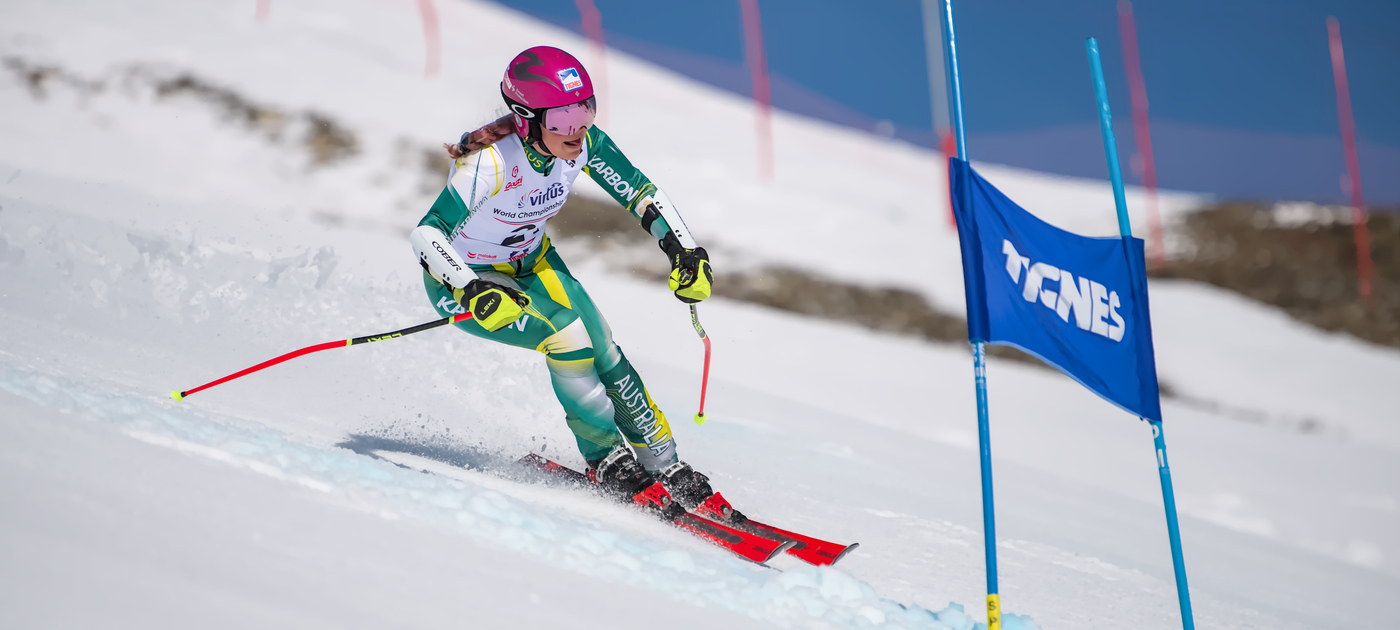
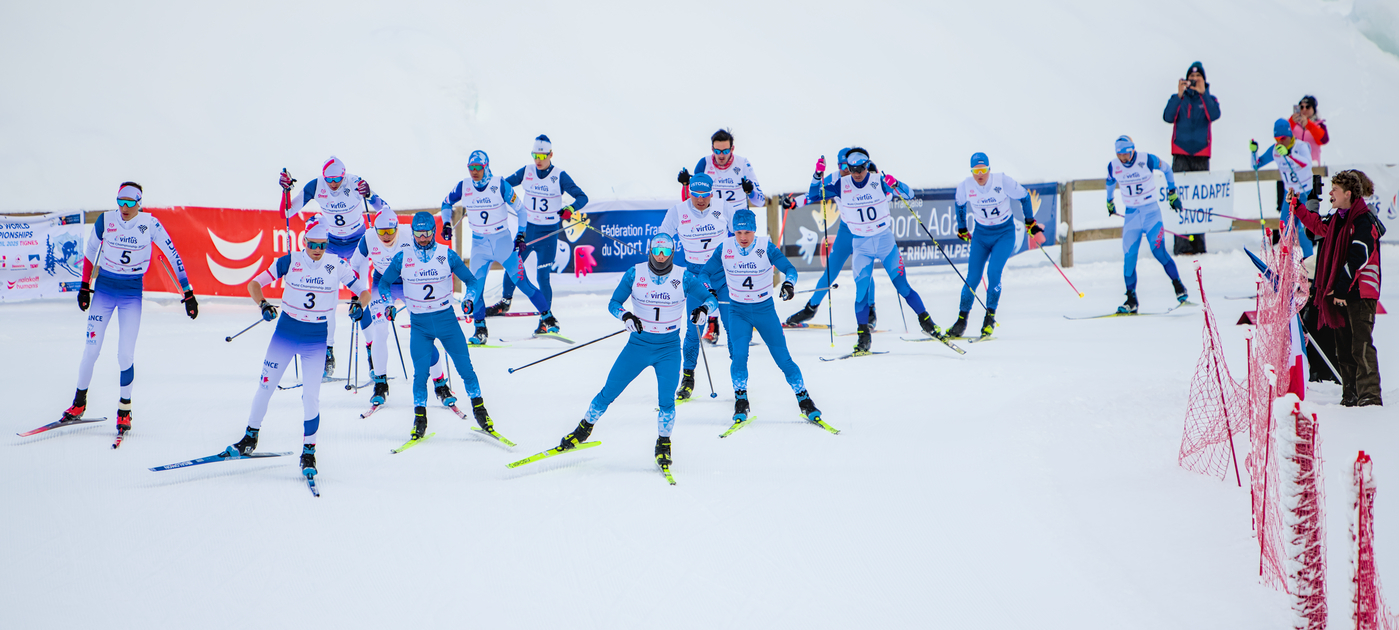
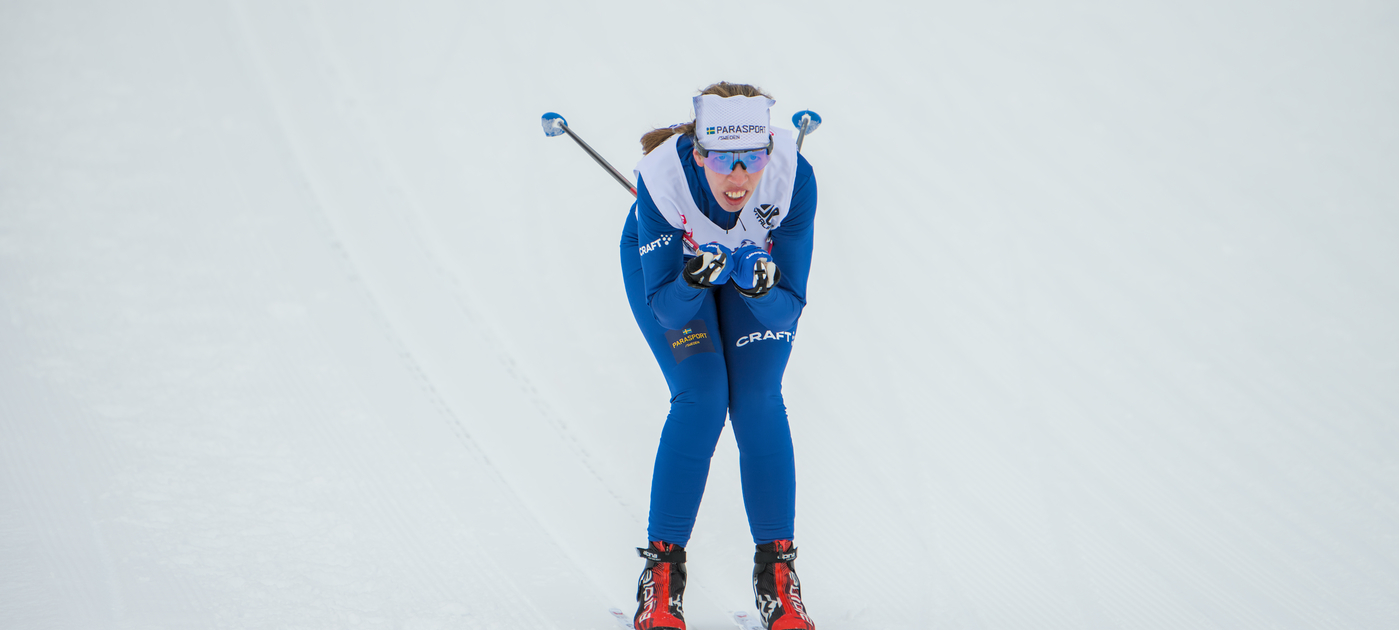
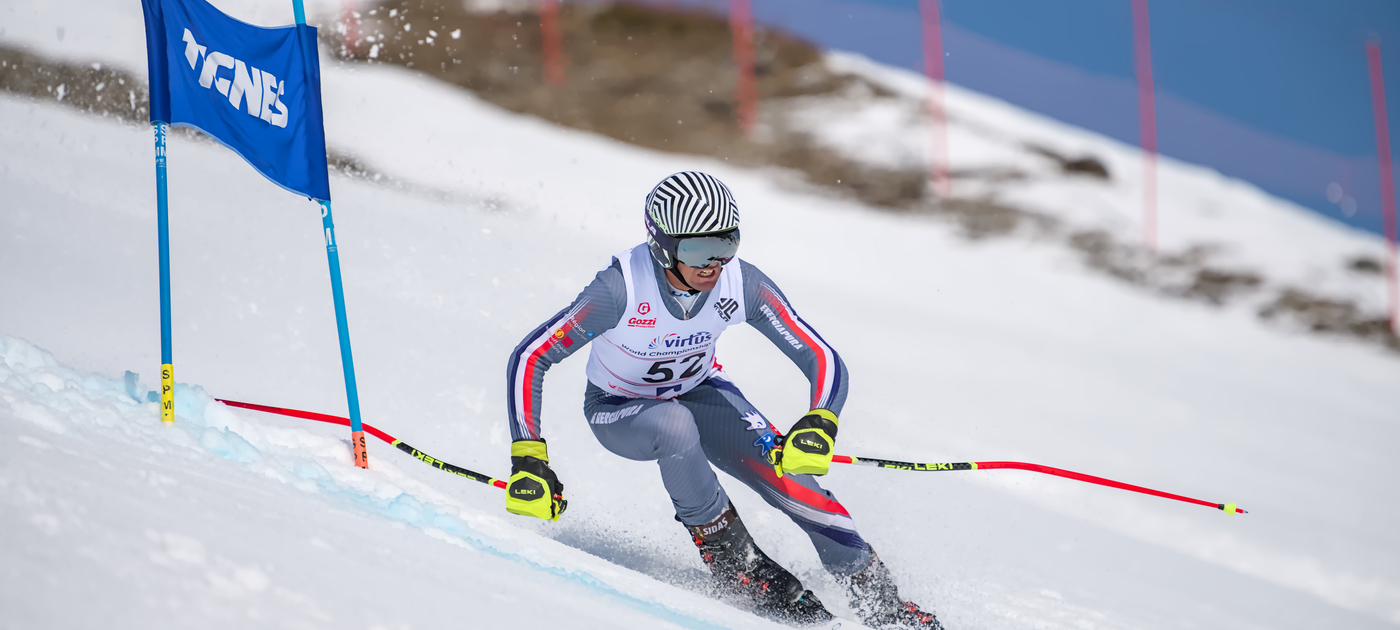
The Virtus skiing programme includes both Alpine and Nordic disciplines. World Championships are held every year and Regional Championships can be scheduled in alternate years. Athletes across the world compete in the Nordic sprint, middle-distance, long-distance and relay races, slalom, giant slalom, super-G and alpine combined and team parallel slalom events.
Virtus and FIS signed an MoU in 2025 to strengthen their collaboration and promote greater inclusion in winter sports. Effective from June 25, the MoU marked a significant step toward integrating athletes with an intellectual impairment into Alpine and Cross-Country skiing disciplines at the highest levels of competition, including the Paralympic Winter Games.
Virtus has been actively campaigning for the introduction of Nordic skiing in the Winter Paralympics and has developed a sports classification system with the help of the International Paralympic Committee (IPC) classification research centre at KU Leuven, Belgium, which was completed in 2018. This campaign has now gained a lot of momentum, as Virtus cited the growing depth of its competition programme and the strength of World Championship entries.
Virtus manages the eligibility of all skiers wishing to compete. All athletes registered with Virtus through its masterlist hold a recognised intellectual impairment. Virtus arranges World and Regional Skiing Championships for athletes with an intellectual impairment only.
Athletes interested in competing at a high level first need to contact their National Federation.
The sport is managed by the Virtus Skiing Committee.
History
Skiing is a well-established sport within the Virtus programme. Virtus has been hosting World Skiing Championships regularly, with both Alpine and Nordic events contested at every edition.
Nordic skiing for athletes with intellectual impairment was officially included in the Nagano 1998 Winter Paralympic Games.
Recent editions include the World Championships in Lans and Autrans, France, in 2019, where French and Japanese skiers won several titles in the Alpine disciplines and Russian skiers took multiple titles in the Nordic disciplines. The 2023 World Championships were held at the Seefeld facilities in Tirol (Austria), which also hosted the FIS Nordic World Ski Championships in 2019. The 2023 edition experienced the highest number of participants in the history of the Virtus skiing programme, which included four alpine and four Nordic events over four days.
In 2025, the 13th Virtus World Championships were held in France, in the towns of Bessans, Savoie (Nordic events: 8-14 March) and Tignes Val Claret (Alpine events: 30 March – 5 April) on FIS-certified courses. The calendar was broadened with the 1st Virtus European Winter Games in Zakopane, Poland in March 2024, which included skiing along with rowing, futsal and basketball 3×3.
A list of upcoming events can be found here.
Disciplines
Alpine Skiing:
- Slalom – two runs, single-pole format
- Giant Slalom – two runs
- Super-G – single run
- Alpine Combined – combined super-G and slalom times
- Team Event – parallel slalom, teams of three (one II1, one II2, one woman)
Nordic Skiing:
Since 2026, Nordic competitions have been conducted in accordance with the FIS Para Cross-Country Rules Book.
- Sprint – 1,200 m, Classical or Freestyle
- Middle Distance – 10 km (Men and Women), Classical or Freestyle
- Long Distance – 20 km (Men and Women), Classical or Freestyle
- Relay – 3 × 2.5 km
The style of Nordic races is determined by the local organising committee and the Virtus Technical Delegate for each event.
Rules and Regulations
The competition in the Alpine disciplines is regulated by the International Ski Federation (FIS) rules with approved Virtus amendments. Nordic events also follow FIS rules, as currently there are no Virtus exceptions to FIS rules for Nordic competitions.
Virtus Alpine courses are adapted to the ability levels of athletes with an intellectual impairment. All gates are positioned in an open formation to enable a continuous rhythm. The number of open gates used up to a maximum of two plus one triple and one long in slalom is determined the night before each race during the Technical Meeting, according to slope conditions, snow quality and visibility.
The minimum age for Alpine competition is 16 years on the day of the event.
Equipment rules: Athletes must wear a helmet and back protection approved by FIS. The minimum ski length for women is 155cm and for men is 165cm when skiing slalom. For Giant Slalom and Super-G, the minimum ski length is 165 cm for women and 175 cm for men and athletes are needed to wear Giant Slalom skis or Super-G skis.
Normally, the championship event is conducted over four days of competition, with training and arrival before competition.
Events are viable for World Championships if 6 or more eligible skiers are entered from 3 member organisations. The minimum number of skiers is 4 from two member organisations for Regional Championships.
Entry numbers per nation are not limited and there are no minimum qualification requirements.
The full sport and championship specification for skiing can be found here (Section 7.8).
Results
All results from the Virtus World and Regional Championships are available.
Virtus Skiing Committee
- Co-Chair (Nordic) – Hideki Arai (JPN)
- Co-Chair (Alpine) – Riccardo de Infanti (ITA)
Links

Virtus is the brand name of the International Sports Federation for athletes with intellectual impairment and is a founding member of the International Paralympic Committee. Registered as a Charitable Incorporated Organisation in the UK (1173901)
Links